


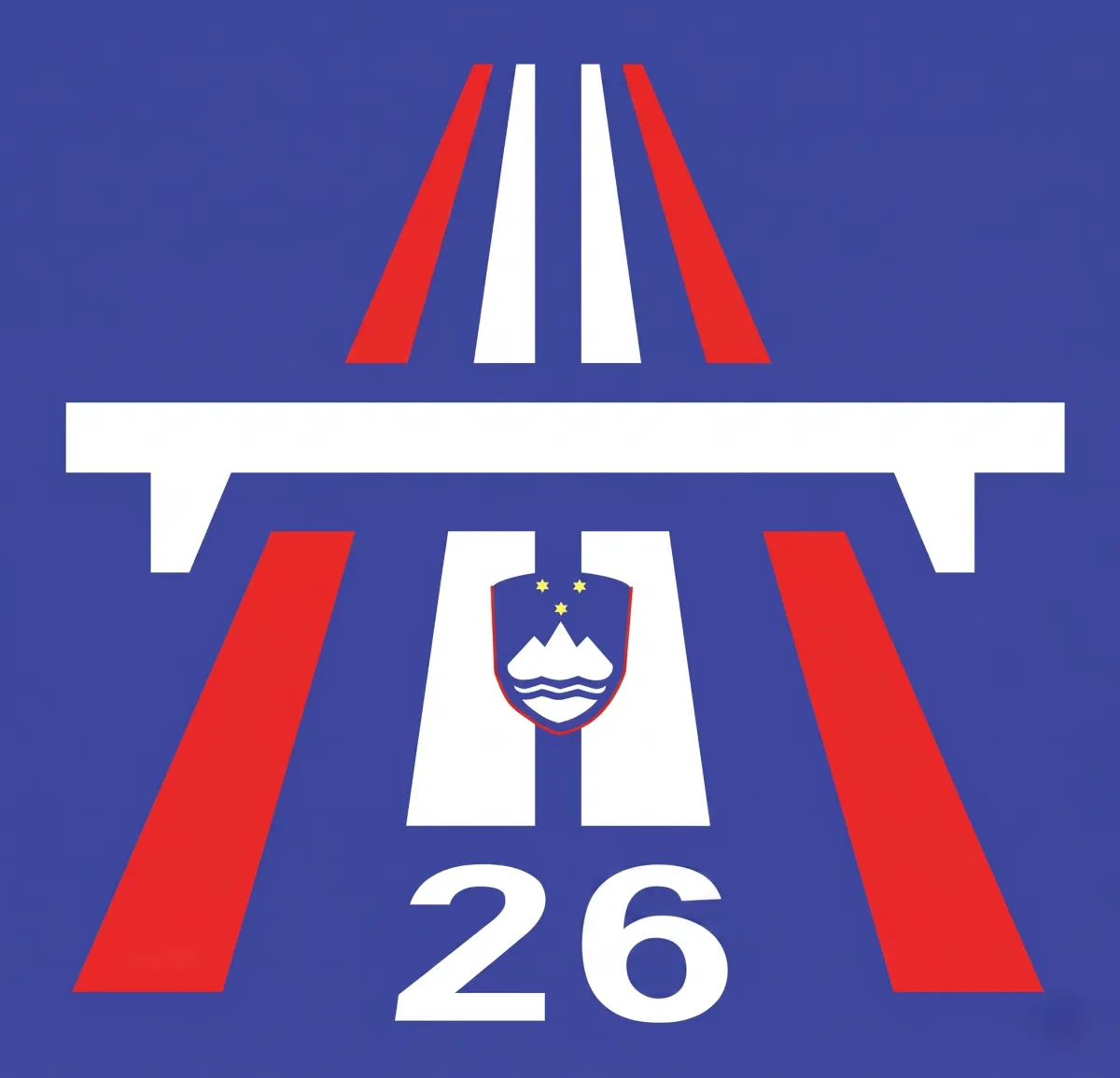
 Slovenia boasts a well-developed motorway network with four major routes, including the essential A1. These motorways are seamlessly connected to regional roads, providing drivers with comprehensive access across Slovenia. To use this network, a digital toll sticker, known as a vignette, is required. Vignettes are available for various time periods and can be easily purchased online from our site E-Vignette Slovenia, as well as at service stations and post offices.
The construction of the A1 highway started in the 1970s, originally linking Slovenia's capital, Ljubljana, to the coastal port of Koper. Over the years, the A1 has expanded northeast of Ljubljana, undergoing numerous upgrades to support increasing traffic demands. Since Slovenia gained independence, substantial investments have transformed the A1 into a modern and advanced transportation corridor.
As for the tolling system:
- Pre-2008: Drivers had to pay tolls at tollbooths along the motorway.
- 2008 Onwards: A vignette system was implemented for vehicles under 3.5 tons.
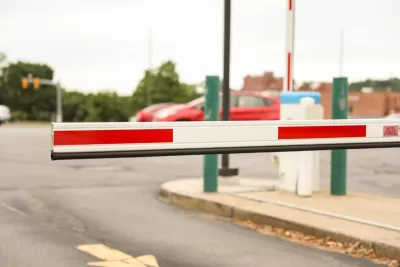
- Heavier vehicles still pay tolls at booths.exclamation Tollbooths are being reorganized to allow vignette holders a smoother passage.
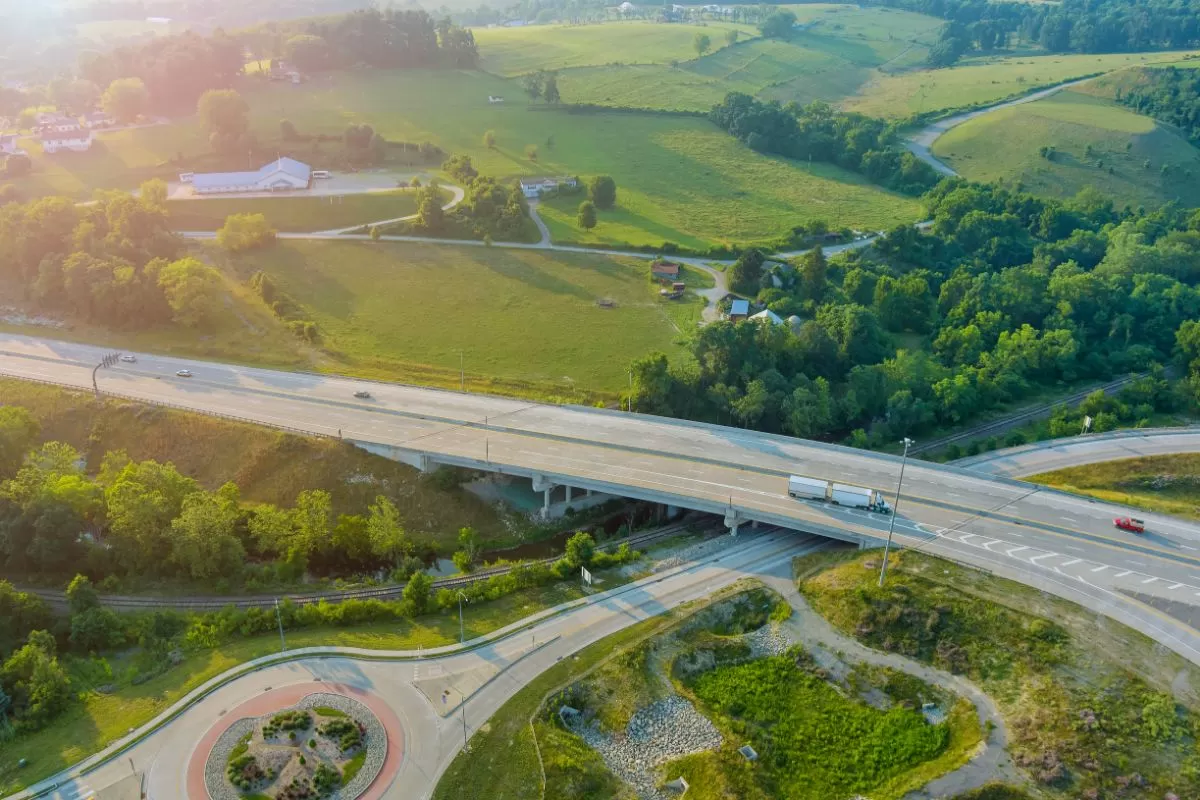 The A1 motorway in Slovenia spans 245.3 kilometers, connecting the western border with Italy to the northern border with Austria. Due to mountainous terrain, construction was executed in phases, incorporating tunnels, bridges, and extensive supporting infrastructure.
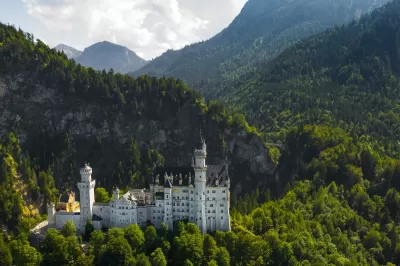
Starting at the westernmost point, Koper boasts Slovenia’s largest port and distinctive medieval architecture. As you journey along the A1, you’ll reach Ljubljana, the capital where the A1 intersects with the A2. Continue east to Celje, famous for its historic castle, and then to Maribor, a vibrant university town. Finally, you’ll arrive at Šentilj, located on the Austrian border. Each city offers a unique blend of history, culture, and stunning landscapes. Explore the rich diversity along the A1 highway.
Attractions Close to the A1
Within 20 kilometers of the A1 motorway, you can discover captivating attractions such as Postojna Cave, Predjama Castle, and the natural wonder of Lake Bled. Each offers a delightful detour, perfect for rejuvenating yourself along your journey.
Road Conditions of the A1
The A1 motorway is well-maintained, with regular improvements ensuring optimal road conditions. Slovenia's fuel stations are conveniently located, and Emergency Phones are available at regular intervals along the road. To avoid delays, stay updated on the latest road conditions and traffic flow by checking online before you travel.
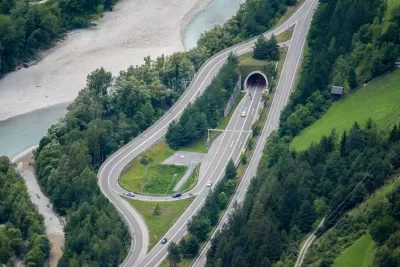
To avoid lengthy detours, several tunnels provide efficient alternatives along the A1. Notable examples include the double Trojane Tunnel (2.9 km) and the Unec Karst Tunnel (2.4 km), each a marvel of engineering.
Bridges and Viaducts on the A1
The A1 features numerous remarkable bridges and viaducts that span obstacles such as rivers and valleys. Among these is the stunning Harp Bridge near Ljubljana, one of 109 bridges and 101 viaducts along the route. The Solkan Bridge stands out as the largest stone arch bridge in the world and Slovenia’s only bungee jumping site.
 Despite numerous efforts to alleviate congestion on the A1, traffic delays are still common during peak travel seasons and rush hours. To minimize disruptions, plan your journey to avoid these high-traffic periods when possible.
 The A1 motorway not only connects Slovenia’s major cities but also serves as a vital route for international traffic. It provides access to the border crossing with Austria near Šentilj and offers a convenient path for travelers heading from Western Europe to Croatia. Popular Croatian destinations accessible via the A1 include the sun-soaked Adriatic coast and the breathtaking Plitvice National Park.